The largest and most trusted neurofeedback center in California |30,000+ brain maps reviewed |20 years in neuroscience |Over one hundred 5-STAR client reviews
Alpha/Theta Limbic Training
Recalibrate Your Brain's Threat Response System.
Targeted brain training designed to support healthier regulation of the limbic system, helping the brain practice shifting out of persistent hyperarousal and into calmer, more regulated states.
Alpha/Theta Limbic Training: Helping the Brain Learn to Feel Safe Again
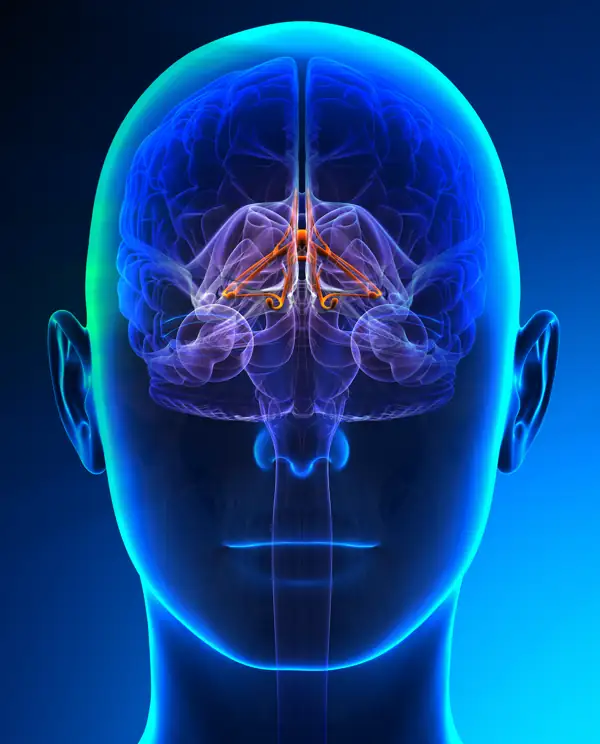
Trauma, chronic stress, and anxiety can leave the brain's threat-detection system in a persistent state of high alert. Even when a person is physically safe, their nervous system may continue responding as though danger is present. This can contribute to hypervigilance, emotional reactivity, difficulty relaxing, and disrupted sleep.
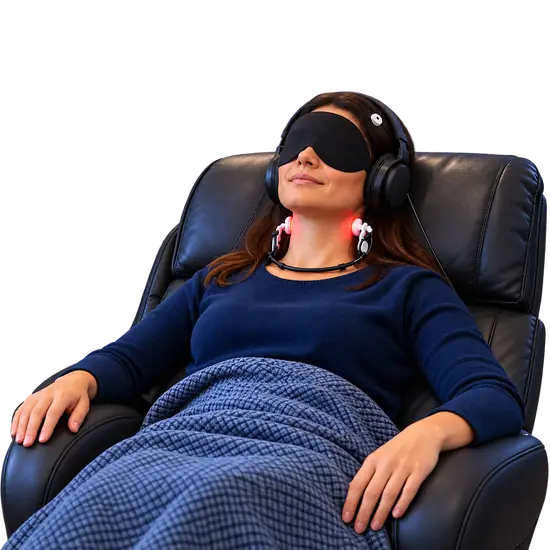
During a session, sensors measure the brain's natural production of alpha and theta brainwaves, which are associated with relaxation, inward attention, and transitional states between wakefulness and sleep.
As the brain produces the targeted alpha and theta activity, the system responds with gentle sounds or musical feedback. These sounds act as rewards, helping the brain recognize and practice the desired patterns of activity. Through repeated sessions, the goal is to improve the brain's ability to shift away from persistent hyperarousal and toward healthier self-regulation.
How Alpha/Theta Limbic Training Works.
Limbic arousal
Calm Relaxed SafeRELEASE
Threat Survival PanicALERT
The creek sound volume is the reward.
SofterLouder
Gauge moves left Sound grows louder
Reward sound follows the gauge
Hear the reward
Gentle sounds reward the practice of letting go.
Before training
The gauge begins near high alert. As it moves left toward calm, the creek sound becomes louder.
The Vagus Nerve: Addressing the brain/gut connection.
Enables non-invasive vagus nerve stimulation via photobiomodulation.
Enhances brain-body connectivity and improves the brain-gut connection.
Promotes healthy HRV and stress relief, leading to increased neuroplasticity.
Supporting the brain–body connection
Why We Pair Alpha/Theta Training with Vagus PBM
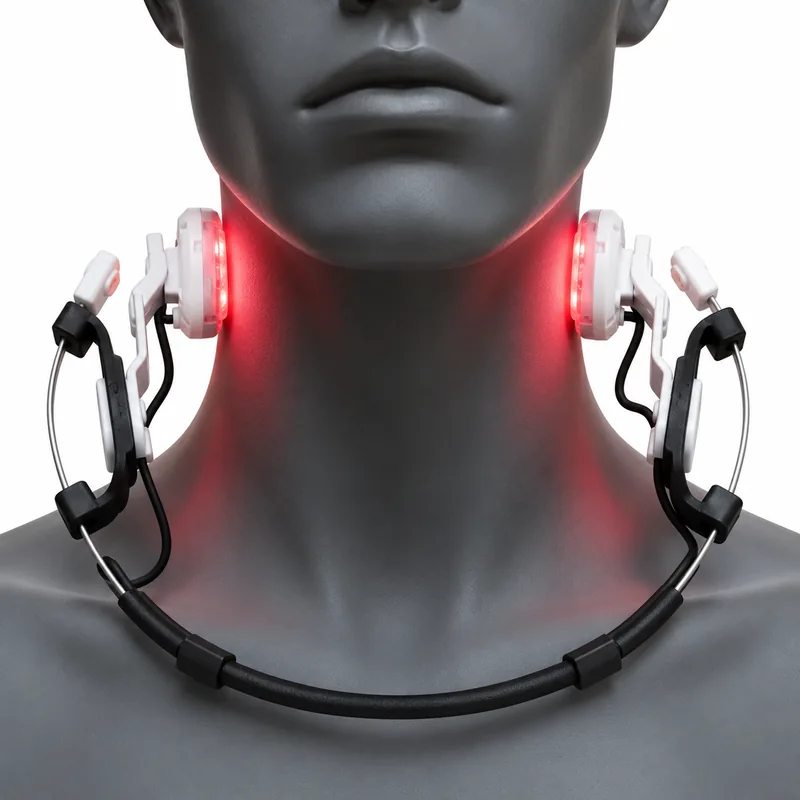
Alpha/Theta neurofeedback rewards patterns of brain activity associated with relaxation. We incorporate photobiomodulation (PBM) as a complementary approach, using light through a nasal applicator and at the neck with the aim of supporting nervous-system regulation during training.
NIR Light and the Limbic System
Through the nasal passage: Intranasal PBM delivers light through a nasal applicator, with the aim of influencing brain activity and supporting less emotionally reactive limbic networks. Research into its effects on deeper brain regions is ongoing.
At the neck: Light is applied over the region where the cervical vagus nerve travels. The vagus is part of the communication pathway between the brain and body and contributes to parasympathetic regulation.
Calming the Brain and Nervous System Together
Chronic stress and trauma can condition the brain and nervous system to remain in a persistent state of high alert, even when the original threat is no longer present. By combining Alpha/Theta Limbic Training with vagus nerve stimulation, our goal is to address both the brain's threat-response networks and the body's autonomic nervous system.
Alpha/Theta Training uses brainwave feedback to help the brain practice shifting into calmer, more regulated states, while vagus nerve stimulation aims to influence autonomic regulation and support the parasympathetic response responsible for rest, recovery, and digestion.
Because the vagus nerve provides important two-way communication between the brain and organs such as the heart and gut, this combined approach seeks to help the entire nervous system move away from conditioned patterns of chronic stress and toward a greater sense of safety and balance.
A complementary approach
How It Complements EMDR and Trauma Therapy
EMDR uses structured therapeutic techniques to help people process distressing memories and reduce their emotional impact. Alpha/Theta Training works differently. Rather than asking someone to revisit or discuss traumatic events, it uses auditory feedback to help the brain practice specific patterns of electrical activity associated with relaxed, internally focused states.
These approaches can complement one another. Trauma therapy addresses the psychological and emotional aspects of traumatic experiences, while Alpha/Theta Training may provide additional opportunities to practice nervous-system regulation.
Explore the research
The science behind Alpha/Theta Limbic Training.
Explore published studies that specifically use Alpha/Theta neurofeedback.
Trauma+
Alpha/Theta training in veterans with combat-related trauma.
No. EEG sensors record electrical activity your brain already produces. The feedback is delivered through sound.
How is this different from other neurofeedback?
Alpha/theta sessions emphasize eyes-closed relaxation and audio feedback. Other protocols may use a video or game while you remain alert with your eyes open. The training approach depends on your goals and brain map.
How does it fit into my plan?
We review your history, goals, and brain map to decide whether alpha/theta training fits alongside your other neurofeedback protocols and care.
Your next chapter
Your brain influences every aspect of your life. Start looking after it.
We routinely check our heart, blood pressure, cholesterol, and other measures of health. Yet the one organ responsible for regulating how we think, feel, sleep, respond to stress, and experience the world is often overlooked until a major problem develops.